
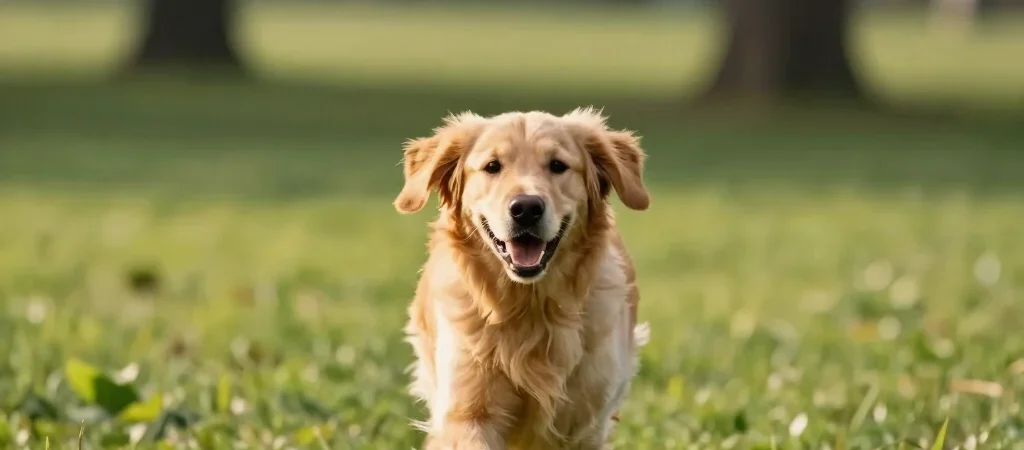
Every dog owner knows the feeling of calling their dog at the park only to be ignored for a passing squirrel or a playful neighbor dog. When recall breaks down, the issue is rarely stubbornness; it usually means the distraction level outweighs the reward on offer. Building a dependable recall requires deliberate practice, clear communication, and rewards that truly motivate your dog.
Start in Low-Distraction Environments
Begin your recall practice inside your living room or hallway where your dog faces zero competing interests. Say your chosen recall cue once in an upbeat, clear tone, and immediately mark their turn toward you with verbal praise. Reward them instantly with a high-value treat like boiled chicken or freeze-dried liver rather than standard daily kibble.
Match the Reward to the Challenge
As you move practice sessions into the backyard or a quiet park, the environmental value increases significantly. Your reward must increase in value to match those outdoor temptations. Never call your dog to end their fun, apply a leash, or administer medicine, as this creates a negative association with returning to you.
Keep Sessions Short and Consistent
Short training sessions lasting three to five minutes yield far better results than exhausting half-hour drills. End every single session on a successful repetition while your dog is still eager for more. With patience and regular practice, returning to your side will become your dog's favorite game.